Aristan: A Romantic Script Font for Web Design
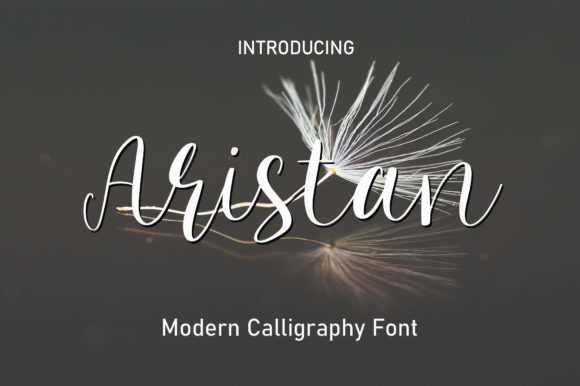
While working on a boutique online store, I found myself searching for a font that could bring a sense of elegance and warmth to the site's hero section. Aristan, a romantic and sweet calligraphy script font, caught my eye. Its characters seem to dance along the baseline, adding a luxurious spark to any creative design or project. As a web designer, I wanted to test how this font would perform in a real website layout, especially when paired with modern design elements.
Visual Characteristics and Personality
Aristan has a distinct personality—soft, flowing, and effortlessly elegant. The font’s strokes are fluid, making it ideal for headers, logos, and decorative text. It feels like a handwritten signature, which makes it perfect for brands that want to convey authenticity and charm. When used in a hero section, Aristan adds a touch of sophistication without overwhelming the viewer.
The font’s visual appeal lies in its balance between readability and style. While it’s not meant for long blocks of text, it shines in short phrases, headlines, and accents. Its unique character set gives it a personal feel, making it stand out in a digital landscape dominated by more rigid typefaces.
Real-World Application in Web Design
I started by testing Aristan in a product landing page. The font worked well as a headline over an image banner, drawing attention while maintaining a sense of grace. It also paired nicely with a simple sans serif font for the body copy, creating a clear visual hierarchy. This combination helped guide the user’s eye from the main message to supporting details without confusion.
On mobile screens, Aristan remained legible, though I noticed that smaller text sizes required careful spacing. For buttons or CTA elements, using the font in a bolder weight improved visibility, especially against dark backgrounds. When placed over images, the font’s contrast was strong enough to remain readable without needing additional overlays or filters.
Use Cases for Aristan
Aristan is best suited for display purposes rather than body text. It excels in headers, section titles, and decorative accents. For example, on a coaching website, it could be used for a client testimonial block or a featured services section. On a creative portfolio, it adds a personal touch to project titles and descriptions.
In an online shop, Aristan could appear in banners or promotional tags, giving the brand a more artisanal feel. It’s also great for blog headers, social media graphics, and email newsletters where a stylish touch is needed. However, I recommend avoiding it in navigation menus or small text areas, where clarity is key.
Readability and User Experience
When designing with Aristan, it’s important to consider how users will interact with the content. The font’s flowing nature can sometimes make it harder to scan quickly, especially on smaller devices. To counter this, I kept the font limited to larger text sizes and avoided using it in multi-line paragraphs.
For a more polished look, I paired Aristan with a clean, modern sans serif font. This pairing created a balanced aesthetic, allowing the script font to shine without competing with the body text. It also made the overall design feel more professional and cohesive.
Font Pairing and Brand Identity
Typography plays a crucial role in shaping a brand’s identity. Aristan can be a powerful tool when used strategically. For instance, a digital brand kit might include Aristan for logo design, while a simpler typeface handles the rest of the content. This approach ensures consistency while maintaining visual interest.
When working with a client, I always check if the font includes multiple weights and styles. Aristan offers a range of options, making it adaptable for different design needs. It also supports multilingual characters, which is essential for global audiences.
Commercial Use and Licensing
Before implementing Aristan on a live website, I reviewed the licensing terms. The font is available through Script Amp, a trusted source for premium fonts. It comes in various file formats, ensuring compatibility with most design tools and web platforms. For web use, the font is available as a webfont, which simplifies integration into CSS files.
As a web designer, I appreciate fonts that are easy to implement and come with clear usage guidelines. Aristan’s commercial license allows for use across websites, client projects, and digital templates, making it a versatile choice for creative professionals.
Final Thoughts on Aristan
Aristan is more than just a pretty font—it’s a tool that can elevate the visual storytelling of a website. Whether you’re building a boutique store, a coaching site, or a creative portfolio, Aristan adds a touch of romance and refinement. Its unique style makes it ideal for designers looking to create a memorable brand experience without sacrificing usability.
By focusing on readability, pairing it with complementary fonts, and using it in the right contexts, Aristan can become a valuable asset in your design toolkit. For anyone seeking a premium script font that balances beauty with practicality, Aristan is worth considering.