The Eid: A Script Amp for Ramadhan Design
There I was, staring at a blank brand board, trying to find the right visual voice for a local bakery’s seasonal campaign. The goal was to create something that felt authentic, meaningful, and visually striking. After testing a few options, I landed on The Eid, a script font from the Script Amp collection designed specifically for Islamic celebrations like Ramadhan. It didn’t just fit the theme—it elevated the whole concept.
A Font with Soul
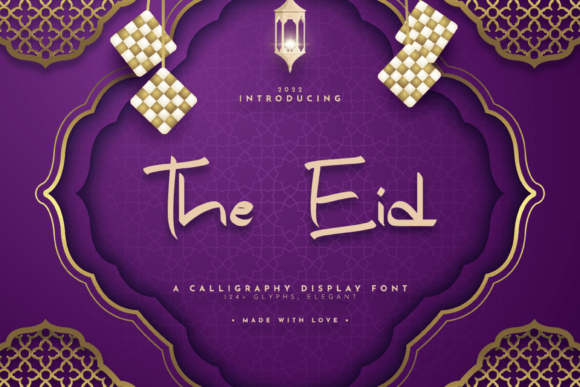
The Eid is more than just a typeface; it’s a celebration of culture and tradition. Its flowing, brush-like strokes give it a warm, personal feel, while the subtle flourishes add a touch of elegance. The font has a distinct personality—soft yet confident, modern yet rooted in heritage. It’s perfect for projects that need to feel both respectful and creative.
When I first tested it on a logo draft, I was struck by how well it balanced simplicity and complexity. The curves are smooth but not overly ornate, making it versatile for different design applications. It doesn’t shout, but it commands attention when needed.
Real-World Testing: From Logo to Social Media
I used The Eid across several branding elements for a boutique identity project. On a business card, it added a refined, handwritten touch without sacrificing clarity. For a packaging mockup, it gave the product labels a sense of authenticity that aligned with the brand’s values. Even on a website header, it felt natural and professional, blending well with a clean sans-serif for contrast.
On social media layouts, The Eid worked especially well as a headline font. It caught the eye, drew attention, and helped reinforce the brand’s message of cultural connection. In a flyer for a Ramadan event, it provided a visual anchor that made the design feel cohesive and intentional.
Best Suited for Display and Accent Use
While The Eid is beautiful as a standalone font, it’s best used as a display font or accent font. Its intricate details and fluidity make it less ideal for long body text or small sizes. That said, when used strategically, it can add a unique flair to logos, headlines, and decorative elements.
For example, on a shop sign, it brought a sense of warmth and tradition that resonated with the target audience. On a product label, it helped differentiate the brand from competitors, offering a visual signature that felt genuine and meaningful.
Pairing and Practical Tips
When pairing The Eid with other fonts, I found that it works well with serif or sans serif typefaces that offer a clean, modern contrast. A simple serif like Playfair Display or a sleek sans like Helvetica Neue can balance its fluidity without overwhelming it.
It also pairs nicely with other script fonts or handwritten fonts, but care should be taken to avoid visual clutter. In one instance, I combined it with a more geometric display font for a poster, and the result was a dynamic, layered look that felt both contemporary and culturally rich.
Limitations and Considerations
Like any specialized font, The Eid isn’t suited for every project. It may not be the best choice for formal corporate work, where a more neutral typeface might be preferred. It also requires careful use in small sizes, as the detail can become lost or unclear.
Before using it in client work, I recommend testing it in various contexts—on print, digital screens, and different backgrounds. This helps ensure it maintains its integrity and readability across platforms.
Another practical tip: always check the commercial font licensing before using The Eid in any final design. This includes web use, print materials, and digital products. Understanding the terms ensures you’re compliant and avoids any legal issues down the line.
Final Thoughts on a Meaningful Typeface
The Eid is more than just a font—it’s a tool for storytelling. Whether you're designing for a Ramadan campaign, a cultural event, or a brand that values tradition, it offers a unique visual language that feels both fresh and familiar. Its blend of artistry and functionality makes it a valuable addition to any designer’s toolkit, especially those working with niche or culturally inspired projects.